 Smart Hand Services
Beyond Travel: Unmasking the True Costs of On-Site IT and How Smart Hands Delivers Savings



Downtime Draining Your Business? Fix It Before It Costs More
Missed alerts turn into outages, outages turn into lost revenue. ExterNetworks Inc. delivers 24/7 NOC & Help Desk support to keep everything running smoothly.
Get 24/7 IT Support NowIn today’s fast-paced business environment, efficient and reliable IT infrastructure is not just a support function; it’s a critical driver of operational success and growth. When issues arise, the instinct is often to dispatch internal IT teams or technicians to address them physically.
However, the perceived simplicity of on-site support frequently masks a complex web of escalating costs and hidden inefficiencies. Businesses are increasingly discovering that the traditional approach to physical IT presence carries a significant, often underestimated, price tag. This article explores the real costs of on-site IT support and introduces “Smart Hands” as a strategic, cost-effective alternative that helps businesses optimize their IT operations.
The Illusion of “Free” On-Site Support
The notion that deploying an internal IT technician to resolve an on-site issue is a straightforward, low-cost activity is a dangerous misconception. While sending a technician may not trigger an immediate invoice like a third-party service, the cumulative costs are substantial and often overlooked. This illusion of “free” support stems from a failure to account for the broader economic realities of personnel deployment, travel, and the impact on core business functions.
Beyond the Plane Ticket: Understanding the Broader Impact of Travel
The most obvious cost associated with on-site IT support is travel. This encompasses not only airfare but also accommodation, per diem, and ground transportation. However, these direct expenses are merely the tip of the iceberg. The indirect costs are often far more impactful. Think about the hours your highly skilled IT personnel spend in transit, unable to perform their primary duties or contribute to strategic initiatives. This lost productivity significantly drains your business’s innovative potential. Furthermore, the time spent away from the office can disrupt team collaboration and project timelines, creating a ripple effect across your organization.
Introducing Smart Hands: The Strategic Alternative
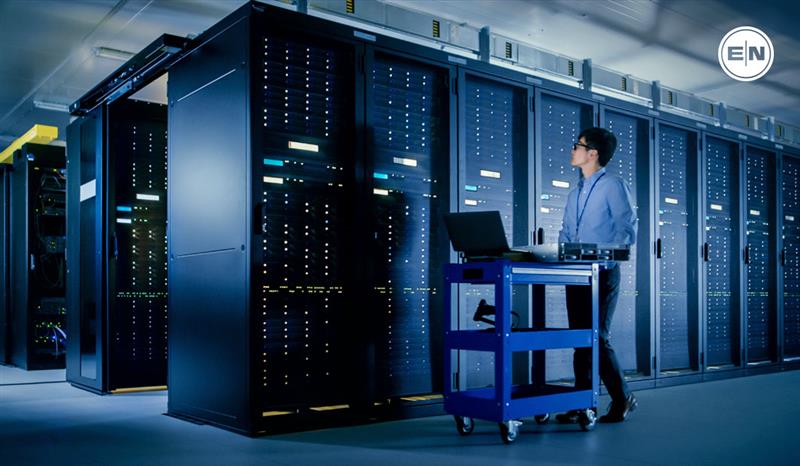
Smart Hands represents a paradigm shift in how businesses approach on-site IT needs. It is a specialized third-party service that provides skilled technicians for physical tasks in your data center, remote offices, or other IT-intensive locations.
Unlike “Remote Hands” Services, which often involve guiding on-site personnel through tasks, Smart Hands technicians have the expertise and autonomy to perform complex hands-on work, including hardware troubleshooting and equipment installation, as well as network cabling and infrastructure management.
This professional, on-demand expertise offers a compelling solution to the escalating costs and inefficiencies of traditional on-site support.
The Unseen Burdens: A Deep Dive into On-Site IT’s True Costs
The expenses associated with maintaining a physical IT presence extend far beyond the immediate costs of dispatching personnel. A thorough examination reveals significant hidden burdens that can erode profitability and hinder operational agility. Understanding these costs is the first step toward making informed decisions about IT support strategies.
Direct Travel Expenses: More Than Just a Flight
As previously mentioned, direct travel expenses are a substantial component of on-site IT support. For businesses with multiple locations or geographically dispersed infrastructure, these costs can quickly escalate. Consider the recurring need for technicians to travel for routine maintenance, troubleshooting, or minor equipment adjustments. Each trip adds up in flights, hotels, meals, and local transportation, creating a significant operational expense over time. For organizations managing numerous retail locations, IT downtime can cost thousands in lost hourly sales per affected site.
The High Cost of Internal IT Staff Overhead
Maintaining an internal IT department that can handle all potential on-site demands incurs significant overhead. Beyond salaries, businesses must factor in benefits, training, recruitment costs, and the general overhead associated with employing dedicated technicians. If your IT infrastructure spans multiple sites, you may need multiple teams or individuals on standby, duplicating these costs. The global connected worker market is growing, indicating a broader trend towards specialized, connected on-site support, but building and maintaining such internal capacity can be prohibitively expensive.
Productivity Drain and Downtime Amplification
When internal IT staff are frequently pulled away from strategic projects to handle routine on-site issues, their productivity suffers. This diversion of talent leaves less time for innovation, system optimization, and proactive planning. Furthermore, when critical hardware or network issues arise, the time it takes for an internal technician to travel to the site can significantly amplify downtime. This delay directly impacts business operations, customer service, and revenue.
The Risk of Inexperience and Costly Errors
While internal IT teams have valuable general knowledge, they may not have specialized expertise in every area of your IT infrastructure, especially with diverse hardware or complex network configurations. Sending an inexperienced technician to address a critical issue can lead to misdiagnoses, improper fixes, or even further damage to sensitive equipment, such as servers or firewalls. These errors can cause prolonged downtime, expensive repair or replacement costs, and potential compromises to network security.
Limited Scalability and Flexibility
Relying solely on internal IT staff offers limited scalability. When your business grows rapidly, expands to new locations, or undertakes large-scale IT infrastructure projects, your existing IT team may struggle to keep pace. Hiring and training new personnel takes time and resources, leaving you vulnerable during critical growth phases. Conversely, scaling down an internal team during leaner periods can lead to skill loss and reduced capacity. This lack of flexibility can impede your business’s ability to adapt to changing demands.
How to Choose the Right Support Approach for Remote IT Issues
When an IT issue occurs at a remote office, retail location, or data center, the fastest solution is not always to send an internal engineer. The appropriate response depends on the nature of the fault, the need for physical access, the availability of local technical support, and the potential impact on business operations.
Choosing the right approach early can prevent unnecessary travel, reduce delays, and ensure the right person handles the issue.
When Is Remote Troubleshooting Enough?
Remote troubleshooting is often the first step when the affected equipment remains accessible through network management tools or remote administration systems. Reviewing device status, examining logs, checking connectivity, and investigating recent changes can help identify many software, configuration, and connectivity problems without requiring a physical visit.
However, remote troubleshooting has limits. A failed power supply, disconnected cable, damaged port, or hardware component that requires replacement may need someone to access the equipment directly. The objective is to determine whether we can resolve the problem remotely before committing resources to an on-site visit.
When Should a Local Technician Be Dispatched?
A local technician may be appropriate when an issue requires physical intervention but does not necessarily require an internal specialist to travel from another location.
Examples include replacing a failed component, checking physical connections, installing equipment, tracing cables, or carrying out a planned hardware change. The required technical expertise will depend on the task and the equipment involved.
Before arranging the visit, confirm the scope of work, site access, equipment details, required tools, and any instructions needed to complete the task correctly. If the issue requires specialized diagnosis or configuration, the on-site technician may need guidance from the central IT team.
When Is Sending an Internal Engineer Necessary?
An internal engineer may be the best option when the incident requires deep knowledge of a proprietary environment, sensitive infrastructure, complex troubleshooting, or changes that only authorized personnel can perform.
For example, a complex network failure involving several interconnected systems may require an engineer who understands the organization’s architecture and dependencies. In such cases, local assistance may still help with physical checks while the internal engineer handles diagnosis and technical decisions remotely.
The decision should account for both the required expertise and the consequences of delayed intervention. Where specialized work cannot be delegated safely, the additional travel may be justified.
How Can Businesses Avoid Repeat Site Visits?
A site visit is more likely to succeed when the technician arrives with the correct information, equipment, and authorization.
Before dispatch, document the reported symptoms, completed troubleshooting, affected hardware, required replacement parts, and expected outcome. Confirm that the technician has the necessary skills and that someone can provide access to the equipment.
After the work is completed, record the actions taken, components replaced, test results, and any unresolved issues. This information supports future troubleshooting and helps identify recurring problems across remote locations.
By matching each incident to the right support approach, businesses can reduce avoidable travel while ensuring issues requiring physical intervention get the attention they need.
Smart Hands: Your Strategic Partner for Cost Optimization
Recognizing the significant hidden costs associated with traditional on-site IT support, many businesses are turning to Smart Hands as a more efficient, cost-effective, and strategic solution. This service leverages specialized expertise to address physical IT needs, freeing up internal resources and optimizing operational budgets.
Defining Smart Hands: Expertise at Your Fingertips
Smart Hands Services provide qualified on-site technicians who can perform a wide range of physical tasks within your IT environments. This goes beyond basic assistance; Smart Hands professionals handle intricate hardware installations, server management, network cabling, equipment troubleshooting, and much more.
They are the skilled hands that physically interact with your IT infrastructure—servers, networking gear, storage devices, and cabling—ensuring everything functions optimally and securely. This contrasts with Remote Hands, which typically involves guided physical tasks.
Eliminating the Travel Tax and Its Ripple Effects
By engaging Smart Hands, businesses eliminate the substantial costs of internal IT travel. No flights, hotels, or per diem to account for. This direct cost saving is significant. More importantly, it liberates your internal IT teams from the productivity drain of travel, allowing them to focus on strategic initiatives that drive business value. Smart Hands’ rapid response capabilities also minimize downtime, preventing revenue loss and maintaining operational continuity.
How Smart Hands Delivers Measurable Savings and Efficiency
Adopting Smart Hands services delivers tangible benefits for businesses, from direct financial savings to improved operational performance. By leveraging specialized external expertise, organizations can streamline their IT support model and achieve greater efficiency.
Optimized Labor and Expertise Utilization
Smart Hands provides access to a pool of specialized technicians with deep expertise in various aspects of IT infrastructure. Instead of employing a broad range of specialists internally, businesses can engage a third-party provider for specific needs.
This optimized labor utilization ensures that you pay only for the expertise you require, when you need it. It allows businesses to reduce overall IT costs by 25-45% while simultaneously increasing operational efficiency by 45-65%. This strategic approach to IT support aligns with the growing trend of IT outsourcing, which grew 131% from 2021 to 2025.
Rapid Response and Minimized Downtime
When an IT issue requires physical intervention—whether it’s a server malfunction, network connectivity issue, or faulty hardware—Smart Hands provides a swift, effective response.
On-site technicians can be deployed quickly to diagnose and resolve problems, significantly reducing downtime.
This rapid response is crucial for businesses, as downtime can cause substantial financial losses and erode customer trust.
Enhanced Operational Efficiency and Infrastructure Management
Smart Hands services help build a more efficient, robust IT infrastructure. Technicians can perform routine maintenance, upgrades, and installations for servers, networking equipment, and cabling with precision and speed. This proactive management of your IT infrastructure, including physical equipment checks and monitoring systems, helps prevent failures and ensure optimal performance. This focus on infrastructure upkeep is essential in a landscape where worldwide IT spending is expected to reach $5.74 trillion in 2025.
Strategic Cost Reduction Through Proactive Measures
By outsourcing on-site tasks to Smart Hands, businesses convert unpredictable capital expenditures and emergency service calls into predictable operational expenses. This allows for better financial planning and budget management. Furthermore, Smart Hands’ expertise often leads to more proactive maintenance and faster issue resolution, preventing costly breakdowns and extending equipment lifespan. Midsize IT companies, for example, now spend an average of 10% of revenue on cloud services, underscoring the need to manage all IT expenditures efficiently, including physical infrastructure.
Beyond Reactive Support: Smart Hands for Strategic IT Projects
Smart Hands services aren’t limited to immediate break-fix scenarios. They also support broader strategic IT projects, helping businesses execute complex initiatives more effectively and efficiently.
Supporting Major IT Infrastructure Deployments
Implementing new IT infrastructure, upgrading existing systems, or rolling out new hardware across multiple locations are significant undertakings. Smart Hands technicians provide the on-site support these projects need, handling tasks such as equipment installation, physical setup, connectivity management, and initial testing. This ensures that deployments are executed smoothly and according to plan, minimizing disruption.
Cybersecurity and Network Security Enhancements
The physical security and configuration of network devices, including firewalls, are paramount to a strong cybersecurity posture. Smart Hands technicians can ensure that hardware is installed securely, firewalls are configured correctly, and network cabling is managed to support robust security protocols. Their expertise helps mitigate risks associated with improper physical installation or maintenance of critical security infrastructure.
Digital Transformation and Cloud Connectivity
As businesses embrace digital transformation and increasingly rely on cloud services, robust and reliable connectivity is essential. Smart Hands can help set up and maintain the physical infrastructure that supports cloud access, including server room readiness, network hardware installation, and ensuring optimal data center performance. This physical support layer is critical to the success of cloud-centric strategies.
System Documentation and Asset Management
Accurate system documentation and asset management are vital for efficient IT operations and compliance. Smart Hands technicians can help update documentation during installation or maintenance, label equipment, and perform physical inventory checks. This ensures that your IT assets are accurately tracked and managed, providing a clear overview of your infrastructure.
The Power of Predictability: SLAs and Partnership
The relationship between a business and its Smart Hands provider is built on reliability, trust, and clearly defined expectations. Leveraging Service Level Agreements (SLAs) and fostering a true partnership ensures consistent performance and predictable outcomes.
Service Level Agreements (SLAs): Your Guarantee for Performance and Cost
A comprehensive Service Level Agreement (SLA) is the cornerstone of a successful Smart Hands engagement. SLAs clearly define response times, resolution targets, service availability, and key performance indicators. This gives businesses a guarantee of service quality and predictable operational costs. Knowing that a defined agreement covers your on-site IT needs offers peace of mind and financial certainty.
Smart Hands as a Trusted Extension of Your IT Team
When selected carefully, a Smart Hands provider becomes more than a vendor; they become a trusted extension of your internal IT team. This collaborative approach fosters seamless service integration. They understand your infrastructure, your operational needs, and your business objectives. This partnership lets your internal IT teams focus on high-level strategy and innovation, confident that their on-site physical IT requirements are managed expertly and efficiently.
Calculating Your ROI: Making the Business Case for Smart Hands
Transitioning to a Smart Hands model requires a clear understanding of the return on investment (ROI). By quantifying the savings and evaluating the qualitative benefits, businesses can build a compelling case for this strategic shift in IT support.
Quantifying the Savings: A Comparative Analysis
A direct comparison between the costs of maintaining an internal on-site IT presence versus engaging a Smart Hands provider often reveals significant savings. Factor in travel expenses, staff salaries and overhead, training, and the potential costs associated with prolonged downtime or errors caused by inexperienced personnel. Smart Hands offers a predictable, often subscription-based cost structure that eliminates these variable and hidden expenses. Engaging Smart Hands services can reduce overall IT costs by 25-45% and increase operational efficiency by 45-65%.
Empowering Your Internal IT Teams
Beyond direct cost savings, Smart Hands empowers your internal IT teams. By offloading routine physical tasks and specialized on-site requirements, your core IT staff can dedicate more time to strategic projects, system design, cybersecurity initiatives, and digital transformation efforts. This reallocation lets your in-house experts focus on activities that drive business innovation and competitive advantage, rather than getting bogged down in routine maintenance.
Conclusion
The perceived simplicity of on-site IT support often belies a complex reality of escalating costs, lost productivity, and potential risks. From direct travel expenses and staff overhead to the amplified impact of downtime and the risk of errors, the traditional model of physical IT presence carries a substantial, often underestimated, burden on businesses. By understanding these hidden costs, organizations can make a more informed decision about their IT support strategy.
Smart Hands emerges as a powerful, strategic alternative. By providing specialized, on-demand technicians for physical IT tasks, this service model effectively eliminates the “travel tax,” optimizes labor utilization, and ensures rapid response times, thereby minimizing downtime. Beyond reactive support, Smart Hands professionals are invaluable partners in major IT infrastructure deployments, cybersecurity enhancements, and digital transformation initiatives.
Smart Hands services, governed by clear Service Level Agreements, transform on-site IT from a costly necessity into a predictable, efficient, and strategic part of your business operations. It frees your internal IT teams to focus on innovation, delivering a tangible return on investment through significant cost reductions and improved operational efficiency. In an era where IT is central to business success, embracing Smart Hands is not just a cost-saving measure; it’s an investment in agility, productivity, and future growth.
Related on ExterNetworks Right Now!