Smart Hand Services
Why Smart Hands is the Secret to 99.99% Uptime in 2026



Downtime Draining Your Business? Fix It Before It Costs More
Missed alerts turn into outages, outages turn into lost revenue. ExterNetworks Inc. delivers 24/7 NOC & Help Desk support to keep everything running smoothly.
Get 24/7 IT Support NowMaintaining high uptime is crucial in today’s digital era, where businesses increasingly rely on seamless IT operations to ensure customer satisfaction and operational efficiency. Downtime can cause significant financial losses, damage brand reputation, and create a competitive disadvantage.
Therefore, smart hands data center managers must prioritize strategies and services that enhance uptime performance. A key player in this realm is Smart Hands services, which have emerged as an essential support mechanism in IT management.
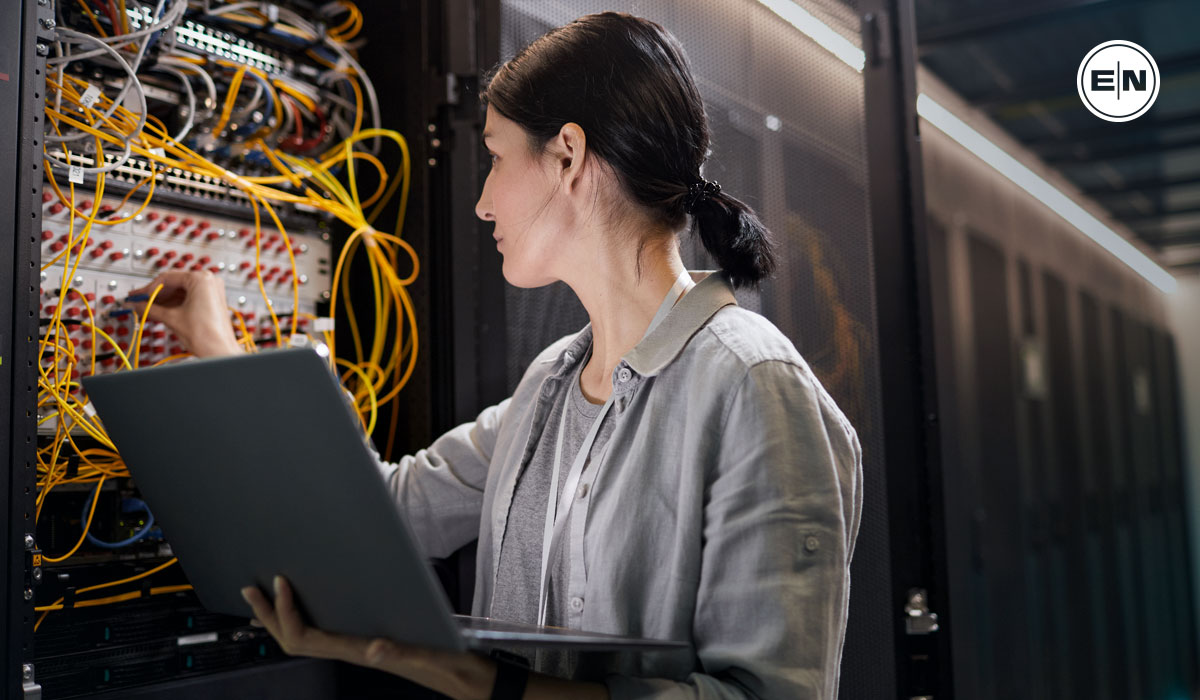
Smart Hands refers to on-site technical services provided by skilled professionals who perform tasks beyond typical remote management capabilities.
These technicians offer immediate physical intervention, which is vital for troubleshooting, installations, equipment inspections, and hardware replacements. As data centers become more complex, the demand for such hands-on expertise has grown exponentially.
Smart Hands services also let data center managers extend their operational reach without being physically present. They bridge the gap between remote tools and physical infrastructure, keeping systems operational and efficient.
By integrating Smart Hands into the IT strategy, data centers can achieve higher reliability, faster response times, and ultimately, enhanced uptime. Thus, embracing Smart Hands is an investment in operational resilience and customer trust.
What are Smart Hands?
Understanding Smart Hands Services
Smart Hands services are an essential component for modern data center management, offering on-site technical assistance that extends beyond the capabilities of traditional remote support.
These services provide a team of experienced technicians who perform a wide range of tasks directly within the data center, ensuring immediate response and physical interaction with equipment.
Unlike remote support, which relies heavily on virtual communication and remote troubleshooting, Smart Hands services enable hands-on management and physical infrastructure changes.
Distinction From Traditional Remote Support
While remote support offers convenience by letting you manage many tasks from afar, it often falls short when physical intervention is needed.
For instance, tasks such as hardware installations, component replacements, or physical configuration changes cannot be accomplished without someone present on-site.
Smart Hands bridges this gap by deploying skilled technicians who can execute these tasks efficiently and effectively. This on-the-ground presence lets data center managers maintain high uptime without being on-site, optimizing resource allocation and productivity.
Situational Tasks Managed by Smart Hands
Smart Hands services cover a wide range of tasks crucial to data center operations. These include, but are not limited to, rack-and-stack operations, cable management, power-cycling equipment, inventory audits, and even complex configurations such as network and server setups.
By handling these responsibilities, Smart Hands technicians ensure data centers run smoothly, minimizing downtime and enhancing service reliability for end users. This proactive approach makes Smart Hands an indispensable ally in maintaining and elevating data center performance.
The Role of Smart Hands in Modern Data Centers
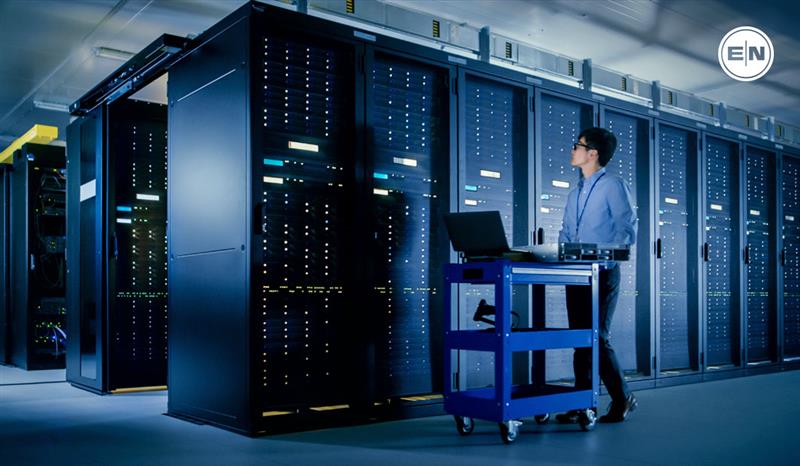
As data centers have evolved, they have transformed from simple server rooms to complex ecosystems teeming with advanced technologies. Today’s data centers are characterized by an intricate web of servers, network devices, storage systems, and applications.
This evolution has significantly increased infrastructure complexity, creating new challenges for data center managers who must ensure seamless operations. In this dynamic environment, Smart Hands’ role has become indispensable.
The Evolution of Data Centers and Infrastructure Complexity
Over the past decade, the demand for robust data management, storage, and processing capabilities has driven the evolution of data centers.
We’ve witnessed the adoption of cutting-edge technologies such as virtualization, cloud computing, and edge computing, which offer unmatched benefits but also contribute to an increasingly complex infrastructure.
Modern data centers rely heavily on high-speed connectivity, efficient cooling systems, and advanced security protocols. As a result, managing these sophisticated systems requires expertise and real-time problem-solving skills.
Managing and Maintaining Data Center Operations with Smart Hands
Given this complexity, Smart Hands services provide essential on-site technical support, offering a wide range of functions from equipment installation and configuration to troubleshooting and maintenance. Smart Hands techs can quickly address hardware and network issues, minimize downtime, and optimize performance.
They are also adept at routine checks and emergency tasks critical to keeping data center operations running at peak efficiency. Smart Hands not only ensures operational continuity but also lets data center managers focus on strategic planning and innovation.
As a result, integrating Smart Hands into data center management provides a comprehensive strategy to manage the demands of today’s digital landscape effectively.
Enhancing Uptime with Smart Hands
Achieving High Uptime: The Role of Smart Hands
In the relentless pursuit of optimal performance, data center managers prioritize uptime as a crucial benchmark of success.
Achieving the coveted 99.99% uptime, often called “four nines,” demands more than robust infrastructure; it requires proactive, responsive management. Smart Hands services play an instrumental role in achieving this goal by providing a team of on-site professionals ready to address every technological need.
Smart Hands technicians can perform a wide range of tasks that directly prevent downtime. For instance, maintenance checks, such as inspecting cables, testing power supplies, and cleaning equipment, are fundamental yet time-consuming activities that Smart Hands executes efficiently.
They also serve as on-the-ground eyes and hands during critical hardware installations or replacements, ensuring everything is connected correctly and operating at peak capacity.
Beyond maintenance, Smart Hands can respond to emergencies, providing immediate intervention when every second counts. For example, they can swiftly reboot servers or reroute network paths in response to detected anomalies, swiftly mitigating potential disruptions.
Their expertise can not only maintain uptime but also actively improve it, as their presence reduces response times and mitigates risks before they escalate into full-blown outages.
Thus, Smart Hands services effectively serve as a shield for continuous service availability, safeguarding against even the smallest interruptions that could cumulatively affect uptime statistics.
Use Cases: Successful Implementation of Smart Hands
Real-World Success Stories of Smart Hands Services
Smart Hands services have been a game-changer for many companies looking to improve their data center operations. For instance, a multinational technology company incorporated Smart Hands to streamline its on-site tasks.
Before leveraging these services, they faced frequent downtime due to delayed maintenance and troubleshooting.
By adopting Smart Hands, they reported significantly faster response times, resulting in a 25% improvement in uptime.
This reduction in downtime not only boosted operational efficiency but also improved customer satisfaction, as seamless service delivery became the norm.
Similarly, a leading cloud services provider utilized Smart Hands to support its rapid expansion plans. Previously, the company struggled to scale operations quickly enough to meet increasing demand.
With Smart Hands, they deployed new server racks and conducted regular maintenance with ease and efficiency. As a direct consequence, they achieved a remarkable 30% increase in operational productivity. This allowed them to scale their services without compromising on quality or reliability.
These examples illustrate that Smart Hands services offer practical solutions to enhance uptime and efficiency, making them invaluable for any company operating in the data center environment.
By proactively addressing routine and emergency tasks, Smart Hands optimizes performance and reliability, thereby providing a competitive edge in the dynamic landscape of data management.
Smart Hands in Maintenance and Troubleshooting
In today’s fast-paced, ever-evolving digital landscape, data centers serve as the backbone of numerous critical operations. Smooth, uninterrupted operation is essential for business continuity, making routine maintenance and swift troubleshooting indispensable.
This is where Smart Hands services come in, providing valuable support for both preventive care and reactive problem-solving to keep infrastructure robust and resilient.
Enhancing Routine Maintenance with Hands
Routine maintenance tasks, such as equipment checks, server diagnostics, and hardware replacements, can be labor-intensive and time-consuming.
Smart Hands services help alleviate this burden by providing skilled technicians who perform these tasks efficiently and effectively.
By delegating these responsibilities to an experienced team, data center managers can focus on strategic initiatives, knowing that their systems are in capable hands.
Additionally, regular maintenance by Smart Hands technicians helps identify potential issues before they escalate, minimizing downtime risk.
Swift Troubleshooting with Expert Support
When it comes to troubleshooting, Smart Hands services offer a significant advantage: quick, efficient response.
Whether it’s addressing network disruptions or rectifying hardware failures, having experts on-site ensures that problems are resolved with minimal delay.
This quick response not only reduces operational downtime but also prevents revenue losses and maintains customer trust.
Such responsiveness is particularly crucial in high-stakes environments where every second counts, making Smart Hands an invaluable asset in data center operations.
How Smart Hands Works With Remote Monitoring and Incident Response
Remote monitoring tools help IT teams identify potential infrastructure issues, but detecting a problem does not always resolve it. When an incident requires physical access to servers, network equipment, power connections, or cabling, Smart Hands technicians can provide the on-site assistance needed to investigate and address the issue.
For distributed enterprises and businesses operating colocation facilities, combining remote monitoring with on-site technical support creates a more coordinated incident-response approach.
From Monitoring Alert to On-Site Resolution
A typical Smart Hands incident-response workflow involves the following steps:
- Issue detection: Monitoring systems generate an alert when a device becomes unavailable, a connection fails, or an infrastructure metric crosses a configured threshold.
- Remote diagnosis: The IT operations team reviews available logs, alerts, and device information to determine whether the issue requires physical intervention.
- Request authorization: The team submits a Smart Hands request with the affected equipment, rack location, requested action, access requirements, and incident priority.
- On-site investigation: An authorized technician checks the equipment and performs the approved task, such as inspecting connections, checking status indicators, replacing a component, or power-cycling a device when authorized.
- Verification and documentation: The technician records the work performed and reports the findings. The remote team verifies whether the device or service has returned to normal operation.
- Escalation when necessary: If the issue persists or requires specialized engineering work, the incident is escalated to the appropriate infrastructure, network, or hardware team.
The precise workflow depends on the service agreement, facility access rules, and the provider’s authorized scope of work.
Why Coordination Matters for Data Center Uptime
Without a defined incident-response process, an IT team may spend additional time arranging physical access, locating equipment, communicating instructions, or confirming whether a task was completed successfully.
Coordinating monitoring alerts with clearly documented Smart Hands procedures can help reduce these operational delays. It also creates a consistent record of incident requests, technician actions, escalation decisions, and service restoration checks.
Smart Hands is not a replacement for monitoring platforms or remote engineering teams. It complements them by providing physical intervention when remote troubleshooting alone is insufficient.
How to Measure the Impact of Smart Hands on Data Center Uptime
Smart Hands services can support data center availability, but businesses need measurable indicators to understand whether on-site support helps them respond to incidents efficiently. Rather than relying on uptime claims alone, IT operations teams should evaluate response performance, repair timelines, recurring incidents, and compliance with agreed service levels.
Key Metrics to Evaluate Smart Hands Performance
| Metric | What it measures | Why it matters |
|---|---|---|
| Time to acknowledge | Time between submitting a request and receiving acknowledgment | Shows how quickly the provider begins handling a request |
| Technician dispatch time | Time required to arrange and dispatch on-site support | Helps identify delays in mobilizing physical assistance |
| Time to on-site arrival | Time between dispatch and technician arrival | Measures the effectiveness of local coverage and access arrangements |
| Mean time to repair (MTTR) | Average time required to repair or restore an affected component or service, according to the team’s defined measurement | Helps evaluate incident-resolution performance when measured consistently |
| First-visit resolution rate | Percentage of eligible incidents resolved during the initial on-site visit | Indicates whether technicians arrive with sufficient information, authorization, and resources |
| Repeat incident rate | Frequency of recurring issues involving the same equipment or failure type | Helps identify unresolved root causes or recurring infrastructure problems |
| SLA compliance | Percentage of applicable requests meeting their contractual service targets | Helps determine whether the provider is meeting agreed commitments |
Establishing a Useful Baseline
Before evaluating a Smart Hands engagement, establish baseline measurements using historical incident records. Record incident severity, affected equipment, request submission time, acknowledgment time, arrival time, restoration time, and any required escalation.
Compare results over consistent reporting periods and separate routine requests from urgent incidents. This prevents differences in incident complexity or priority from distorting the assessment.
Businesses should also distinguish between metrics the Smart Hands provider controls and those influenced by other teams. For example, technician arrival may depend on geographic coverage and facility access, while complete service restoration may require remote engineering support, replacement parts, or a third-party vendor.
Connect Service Performance to Uptime
Evaluate uptime using a consistent measurement period and a clearly defined service boundary. For example, teams can track service availability alongside incident duration to understand how outages affect business operations.
For a service measured continuously over 30 days, the theoretical downtime budget at 99.99% availability is approximately 4.32 minutes. This calculation illustrates how demanding a four-nines target can be; it does not mean that Smart Hands services alone can guarantee that level of availability.
The most useful assessment combines availability data with incident records, response-time performance, recurring-failure analysis, and contractual SLA results. Together, these measurements help organizations identify where on-site support improves incident handling and where further infrastructure or process improvements are needed.
Future Trends: The Growing Need for Smart Hands
Predictions for 2026 and Beyond on the Adoption of Smart Hands Services
As we look toward 2026 and beyond, Smart Hands services are expected to become increasingly pivotal in data center operations.
As data centers expand globally and demand for real-time data processing rises, these services provide essential on-the-ground support vital to maintaining seamless operations.
Industry analysts predict that by this time, most enterprises will have fully integrated Smart Hands services into their IT strategy.
This trend will likely be driven by a focus on minimizing downtime and optimizing response times, as well as by the growth of edge data centers that meet local demands requiring immediate hands-on intervention.
The Impact of Technological Advancements on the Future Role of Smart Hands
Technological advancements are poised to reshape Smart Hands’ role significantly. As automation and artificial intelligence continue to permeate data center operations, the tasks Smart Hands personnel handle will evolve.
While automation may take over traditional roles such as routine hardware maintenance or software updates, Smart Hands services will remain crucial for complex troubleshooting and tasks that require human intuition and adaptability.
Additionally, the proliferation of IoT devices and the adoption of advanced connectivity solutions such as 5G will require a sophisticated, agile, and responsive Smart Hands team capable of managing diverse, complex tasks.
Ultimately, these future developments promise to enhance the value and necessity of Smart Hands services in sustaining advanced data center ecosystems.
Conclusion
Reflecting on the importance of Smart Hands services, it is clear they play a crucial role in maintaining optimal uptime. As data centers are the backbone of modern enterprises, ensuring continuous operation is paramount.
Smart Hands personnel, equipped with technical expertise and on-site availability, provide immediate assistance with tasks ranging from hardware installation to troubleshooting network issues, significantly minimizing downtime.
This proactive approach helps keep data centers operational, supporting businesses in meeting performance goals.
Importance of Smart Hands in maintaining optimal uptime
Moreover, Smart Hands services are indispensable in achieving high availability. As data infrastructure grows more complex and demands increase, relying solely on remote management is not always enough.
The on-site presence of trained professionals ensures that any unforeseen issues are addressed swiftly, thereby maximizing uptime. Additionally, Smart Hands teams offer the flexibility to scale operations during peak times or in response to unexpected challenges, further underlining their value.
As technology continues to evolve, integrating Smart Hands services into data center management strategies will only become more essential.
These services not only improve operational efficiency but also provide peace of mind, knowing experienced hands are ready to address any issue and ensure uninterrupted service for all stakeholders.
Consider Smart Hands Services For Your Business
Integrating ExterNetworks Smart Hands into your data center management strategy could transform your business.
Utilizing these services not only ensures high uptime but also enhances operational resilience.
Consider the advantages of having a team of skilled professionals readily available to manage unexpected challenges, perform essential tasks, and provide 24/7 on-site support.
By incorporating Smart Hands services, your business can reduce downtime risks and improve overall efficiency.
Take the proactive step today to explore how ExterNetworks can augment your existing IT infrastructure, ensure seamless operations, and strengthen your organization’s ability to thrive in a competitive landscape.
Related on ExterNetworks Right Now!